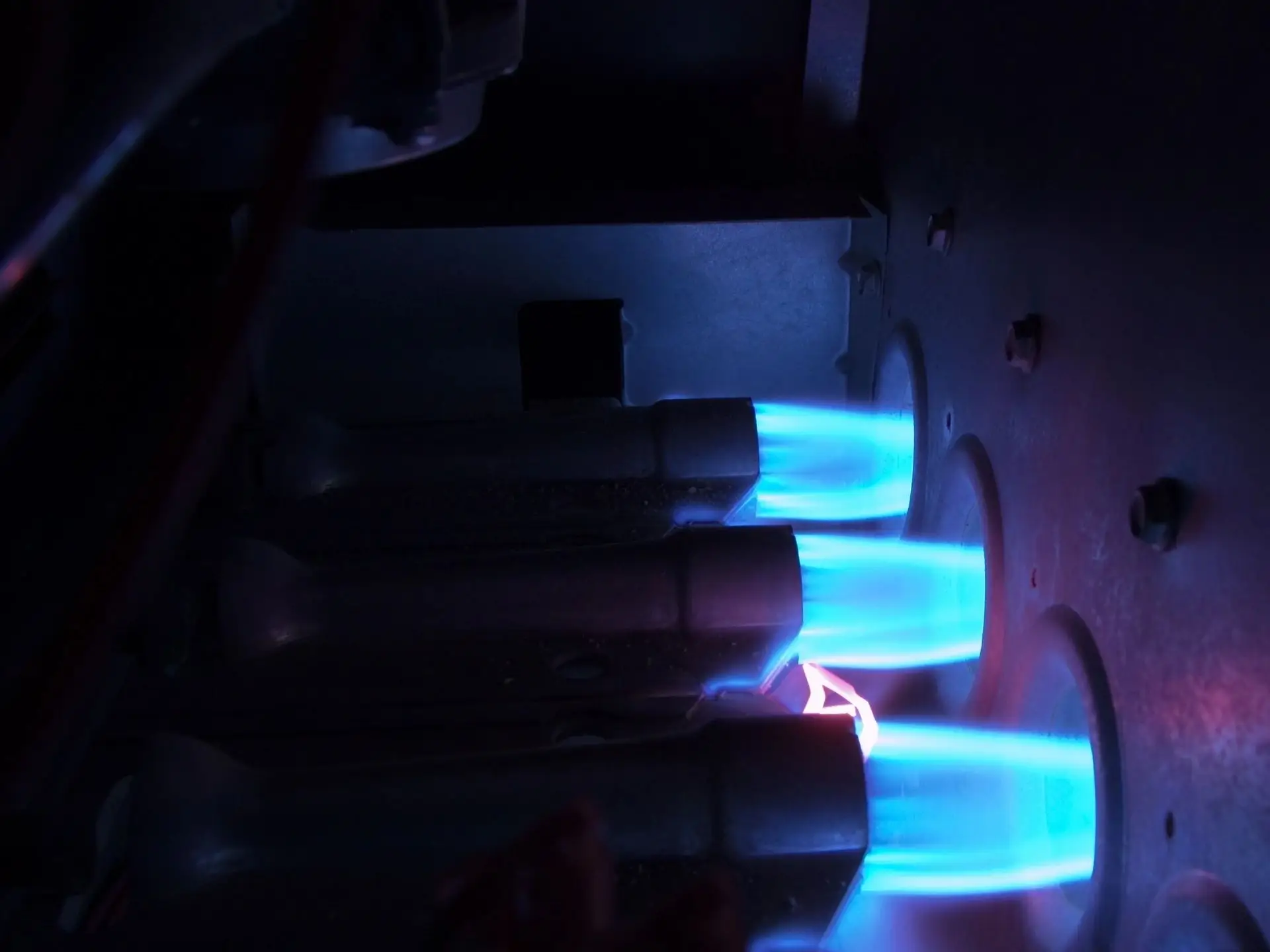
Is the furnace blower running while the vents produce cold or room-temperature air? The problem could be as simple as an incorrect thermostat fan setting, but it may also involve restricted airflow, ignition failure, a safety control, gas supply, venting, electrical components, or the heating equipment itself.
Different heating failures can create similar symptoms. Proper testing is important because replacing a thermostat or ignition component without identifying the actual cause may result in an incomplete repair.
Modern Air of Katy provides professional furnace and heating diagnostics throughout Spring Branch, Memorial, Briar Forest, the Energy Corridor, Westchase, the Memorial Villages, West Houston, Katy, and nearby communities.
Safety-first diagnostics • Clear repair options • Local West Houston service • No high-pressure sales
First: Check for a Gas, Carbon-Monoxide or Electrical Emergency
Some furnace problems require immediate safety precautions.
If You Smell Gas
Leave the building immediately.
Do not:
Operate light switches
Use electrical equipment
Use appliances
Use a phone while inside
Attempt to restart the furnace
Adjust or shut off the furnace gas valve
Search for the source of the odor
Once everyone is safely outside and away from the building, contact your gas utility or emergency services and follow their instructions.
If a Carbon-Monoxide Alarm Sounds
Move everyone—including pets—into fresh air and call 911 or the local fire department from a safe location.
Do not disable or ignore the alarm. Do not reenter the home until emergency personnel say it is safe.
Turn the Furnace Off When Appropriate
If there is no suspected gas leak and it is safe to operate the thermostat, turn the system off when you notice:
Smoke
A persistent electrical-burning odor
Visible electrical damage
Repeated breaker trips
Loud grinding or severe mechanical noise
Soot or unusual discoloration near the furnace
Repeated failed ignition attempts
Excessive heat around the equipment
Water near electrical components
A safety control that repeatedly shuts down the furnace
Do not open combustion compartments, bypass safety switches, adjust gas components, or perform live electrical testing.
Is the Furnace Actually Running?
Homeowners often say the furnace is running when they can hear the indoor blower moving air.
The blower can run even when the heating portion of the system is not operating.
Possible situations include:
The thermostat fan is set to “On”
The burners failed to ignite
The burners ignited and shut off
A high-limit switch interrupted heating
The blower is completing a normal cool-down cycle
The system is circulating air between heating cycles
An electric heating element did not energize
A heat pump is operating without adequate heat
The thermostat or zone controls are calling incorrectly
Determining which components are operating helps narrow down the problem.
Normal Cool Air Versus a Heating Problem
Some cool airflow can be normal.
A furnace blower may start shortly before or after burner operation, depending on the equipment and controls. It may also continue running after the burners shut off to move remaining heat through the system.
A heat pump often supplies air that feels less hot than gas-furnace air. That does not automatically mean it is malfunctioning if the system maintains the thermostat setting.
A problem is more likely when:
Cool air continues throughout the heating call
The home never reaches the thermostat setting
Burners repeatedly light and shut off
The blower runs continuously
The system cycles unusually often
The thermostat indicates heating but no heat is produced
The indoor temperature continues falling
Unusual odors, noises, or safety symptoms appear
Safe Checks Before Calling for Furnace Repair
Only perform checks that are safe, familiar, and easily accessible.
1. Confirm the Thermostat Is Set to Heat
Make sure the thermostat is set to Heat and the selected temperature is above the current indoor temperature.
If the thermostat follows a schedule, verify that a programmed setting is not preventing normal heating.
2. Set the Fan to Auto
A thermostat fan set to On may operate continuously, including when the furnace is not actively heating.
Change the fan setting to Auto. This normally allows the blower to operate according to the equipment’s heating cycle.
3. Check the Thermostat Batteries
Replace the batteries if the thermostat uses replaceable batteries and displays a low-battery warning, loses settings, or has a blank screen.
A blank thermostat can also result from HVAC power loss, wiring problems, a failed transformer, blown control fuse, or an activated condensate safety switch.
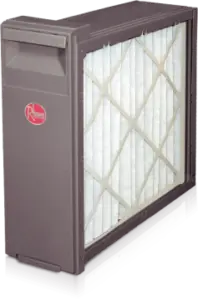
4. Inspect the Air Filter
A severely dirty filter may restrict airflow.
Restricted airflow can cause a gas furnace to overheat. A high-limit safety control may then shut off the burners while allowing the blower to continue operating.
Replace a visibly dirty filter only when:
It is safely accessible
You know the correct size
You know the proper airflow direction
No equipment panel must be opened
Do not install a filter that is more restrictive than the HVAC system can accommodate.
5. Check the HVAC Breaker Once
A gas furnace still requires electricity for the blower, ignition system, controls, inducer, and safety devices.
If the labeled furnace or HVAC breaker has tripped, you may reset it one time.
If it trips again:
Leave it off
Do not repeatedly reset it
Schedule professional service
Repeated breaker trips may indicate an electrical or equipment problem.
6. Check a Clearly Labeled Furnace Switch
Some furnaces have a nearby power switch that resembles a standard light switch.
Check it only if it is clearly labeled, safely accessible, and familiar to you. Do not enter an unsafe attic or operate unidentified switches.
7. Check for Blocked Grilles
Make sure furniture, rugs, boxes, and other objects are not blocking supply registers or return-air grilles.
Do not close large numbers of supply vents in an attempt to redirect heat. That may increase system pressure and contribute to airflow problems.
If these checks do not restore normal heating, schedule professional furnace repair in Houston.
Common Reasons a Furnace Runs but Does Not Heat
Thermostat Fan Set to On
When the fan is set to On, the blower may circulate room-temperature air even when the furnace is not producing heat.
Changing the fan to Auto may resolve this condition. If the blower continues operating incorrectly, the thermostat, relay, control board, wiring, or zoning system may require diagnosis.
Dirty or Restrictive Air Filter
A clogged filter restricts airflow through the furnace.
The furnace may overheat, causing a high-limit control to shut off the burners. The blower can continue operating to cool the equipment, which creates the impression that the furnace is running but blowing cold air.
If the problem continues after replacing a visibly dirty filter, another airflow, blower, control, or equipment problem may be present.
Failed Ignitor
Many modern gas furnaces use an electronic ignitor to light the burners.
A cracked, damaged, or failed ignitor may prevent burner operation while other portions of the heating sequence continue.
Ignitors are delicate and should be tested and handled carefully. Do not touch, remove, or attempt to light one manually.
Pilot-Light Problem
Some older gas furnaces use a standing pilot.
A pilot that will not remain lit may involve:
Gas supply
Thermocouple or safety device
Draft
Contamination
Gas valve
Venting
Another combustion-related condition
Do not repeatedly attempt to relight a pilot when you smell gas or are unfamiliar with the manufacturer’s instructions.
Flame-Sensor Problem
The flame sensor confirms that the burners have ignited.
If the control cannot verify flame, it may close the gas valve shortly after ignition. The burners may light briefly and then shut off while the blower continues circulating cooler air.
A flame-sensing problem may involve:
Contaminated sensor
Damaged sensor
Wiring
Grounding
Burner flame
Gas pressure
Control board
Another combustion condition
Replacing or cleaning the sensor without testing the complete ignition sequence may not solve the underlying problem.
Gas-Valve or Gas-Supply Problem
The furnace cannot produce heat if gas does not reach the burners.
Possible causes include:
Gas-service interruption
Closed or defective valve
Failed gas valve
Control or wiring problem
Gas-pressure problem
Ignition-sequence failure
Safety control preventing operation
Gas valves, pressure, connections, and combustion components should be evaluated by a qualified professional.
Inducer Motor Failure
The inducer motor helps establish draft before burner ignition.
A failed inducer, damaged wheel, electrical problem, blocked vent, condensate issue, pressure-switch problem, or control failure may prevent the heating sequence from continuing.
Pressure-Switch or Venting Problem
The pressure switch helps verify appropriate draft conditions.
An open pressure switch may indicate:
Inducer failure
Blocked or restricted vent
Damaged pressure tubing
Condensate problem
Improper venting
Control or wiring problem
Another unsafe operating condition
The switch should never be bypassed.
High-Limit Switch Activation
The high-limit switch helps protect the furnace from overheating.
It may interrupt burner operation while allowing the blower to continue running.
Possible causes include:
Dirty or restrictive filter
Blocked return air
Closed supply registers
Dirty blower wheel
Failing blower motor
Incorrect blower speed
Dirty evaporator coil
Restrictive ductwork
Oversized furnace
Another airflow problem
Replacing the limit switch without correcting the cause of overheating may allow the problem to return.
Rollout-Switch Activation
A flame-rollout switch protects against abnormal flame or combustion conditions.
An activated rollout switch may indicate a serious burner, heat-exchanger, venting, draft, or combustion problem.
Do not reset or bypass a rollout switch. Leave the furnace off and request professional service.
Burner Problem
Dirty, damaged, misaligned, or obstructed burners may cause unreliable ignition or abnormal flame patterns.
Burner problems can also involve:
Gas pressure
Ignition components
Venting
Combustion air
Heat-exchanger condition
Equipment installation
Combustion work should be performed by a qualified technician.
Control-Board or Wiring Failure
The furnace control board manages the heating sequence and communicates with the thermostat, inducer, ignitor, gas valve, blower, and safety controls.
A failed board, relay, transformer, fuse, connector, or damaged wire may allow part of the system to operate while preventing heat production.
Blower or Airflow Problem
A weak or incorrectly operating blower may prevent heat from being distributed effectively.
Possible causes include:
Failing blower motor
Damaged capacitor on applicable motors
Dirty blower wheel
Incorrect speed setting
Control problem
Excessive system pressure
Restricted filter
Dirty evaporator coil
Duct restriction
The blower serves both heating and cooling in many central HVAC systems, so airflow problems may affect year-round comfort.
Why the Furnace Lights and Then Shuts Off
A furnace that ignites briefly and then stops may have:
Flame-sensing problem
Restricted airflow
High-limit activation
Gas-pressure problem
Venting or pressure-switch issue
Control-board fault
Burner problem
Heat-exchanger or combustion concern
The timing of the shutdown provides useful diagnostic information:
A shutdown within a few seconds of ignition may point toward flame proving or combustion-related controls.
A shutdown after several minutes may involve overheating or airflow.
Repeated startup attempts may indicate ignition, venting, gas, or control trouble.
These are general patterns, not a substitute for system testing.
Electric Furnace Running but Not Heating
Electric furnaces and air handlers do not use gas burners. They rely on electric heating elements, sequencers, relays, controls, breakers, wiring, and a blower.
The blower may run without adequate heat when:
One or more heating elements fail
A sequencer or relay fails
A breaker trips
Wiring is damaged
The thermostat is configured incorrectly
A safety limit opens
Airflow is restricted
The control board fails
Electric heating equipment operates at high voltage. Do not open panels or perform electrical testing yourself.
Heat Pump Running but Not Heating Enough
A heat pump provides heating through a refrigeration cycle. Its supply air may feel cooler than gas-furnace air while still heating normally.
A heat pump may struggle or blow cool air because of:
Incorrect thermostat setting
Reversing-valve problem
Refrigerant-related issue
Outdoor-unit failure
Frozen outdoor coil
Defrost-control problem
Compressor or electrical failure
Auxiliary heat not operating
Outdoor temperature and equipment capacity
Dirty filter or airflow restriction
Thermostat configuration
Duct leakage
Brief periods of cooler indoor airflow can occur during a normal defrost cycle. Persistent cold air or falling indoor temperature deserves evaluation.
Read our comparison of a heat pump versus gas furnace in Houston.
Can Ductwork Cause a Heating Problem?
Yes. The furnace may produce heat correctly while damaged or restrictive ductwork prevents that heat from reaching particular rooms.
Possible duct problems include:
Disconnected supply ducts
Supply-air leakage
Return-air leakage
Crushed flexible ducts
Inadequate return-air capacity
Poor insulation
Closed or damaged dampers
Improper duct sizing
Excessive system pressure
Poor system layout
A hot furnace with cold rooms may have an airflow or distribution problem rather than a heat-production failure.
Could the Thermostat Be the Problem?
Possibly—but thermostat symptoms can also result from equipment or wiring problems.
Possible thermostat-related concerns include:
Incorrect mode
Fan set to “On”
Schedule or setback
Dead batteries
Inaccurate temperature reading
Loose or damaged wiring
Incorrect furnace or heat-pump configuration
Incompatible replacement thermostat
Failed internal relay
Zoning-control communication
Loss of low-voltage power
A smart thermostat should be compatible with the equipment type, number of stages, heat-pump functions, auxiliary heat, wiring, and zoning controls.
Learn about professional thermostat installation in Houston.
Our Furnace Diagnostic Process
1. Listen to the Symptoms
We ask what the system is doing, when the problem began, and whether the blower, burners, thermostat, or outdoor equipment appears to operate.
2. Check the Thermostat and Heating Call
We confirm the relevant settings, control signals, wiring, and equipment response.
3. Evaluate the Heating Sequence
For a gas furnace, this may involve the inducer, pressure switch, ignitor, gas valve, burners, flame sensor, blower, and safety controls.
For electric or heat-pump equipment, we evaluate the applicable electrical, refrigerant, control, auxiliary-heat, and airflow components.
4. Inspect Airflow Conditions
We consider the filter, blower, evaporator coil, supply and return airflow, system pressure, and accessible ductwork when relevant.
5. Identify the Cause
A failed component may sometimes result from another condition. We look for the cause so the recommendation addresses more than the immediate symptom.
6. Explain the Options
We explain what we found and review the recommended repair before approved work begins.
7. Complete and Test the Repair
After completing approved work, we test the applicable heating functions and verify normal operation.
Should You Repair or Replace the Furnace?
A furnace running without heat does not automatically require replacement.
Repair may make sense when:
The system has otherwise been dependable
The failed component is replaceable
Parts remain available
The repair cost is reasonable
The furnace is in serviceable condition
Warranty coverage remains
There is no unresolved major safety concern
Replacement may deserve consideration when:
Repairs are becoming frequent
A major component has failed
The heat exchanger is damaged
Parts are unavailable
The equipment has widespread deterioration
The furnace is improperly sized
Comfort has declined
The current repair provides poor value considering the system’s condition
Age should be considered, but it should not be the only factor.
Read our complete guide on whether to repair or replace your furnace or explore furnace installation and replacement in Houston.
Preventing Future Heating Problems
No maintenance visit can prevent every equipment failure. However, professional heating maintenance may identify developing concerns involving:
Ignition
Flame sensing
Burners
Venting
Electrical components
Blower operation
Filters
Airflow
Controls
Heat-pump operation
Auxiliary heat
General equipment condition
Homeowners can also:
Check filters regularly
Keep supply and return grilles clear
Test heating before a major cold front
Replace thermostat batteries when needed
Keep combustible storage away from the furnace
Maintain working smoke and carbon-monoxide alarms
Schedule service when abnormal operation begins
Learn about heating-system maintenance in West Houston and Katy.
Frequently Asked Questions
Why is my furnace running but blowing cold air?
Possible causes include the thermostat fan being set to “On,” ignition failure, flame-sensor trouble, high-limit activation, gas-supply problems, control failures, airflow restrictions, or a normal blower delay. Proper testing is needed when basic thermostat and filter checks do not resolve it.
Can a dirty filter cause the furnace to blow cold air?
Yes. A severely restricted filter may cause the furnace to overheat. A high-limit safety control may shut off the burners while the blower continues operating.
Why does my furnace ignite and shut off after a few seconds?
A flame-sensing, grounding, burner, gas-pressure, control, or combustion problem may prevent the control board from confirming stable flame.
Why does the blower keep running after the burners shut off?
A brief blower run after burner shutdown may be normal. Continuous operation may result from the thermostat fan setting, high-limit activation, control-board trouble, wiring, relay failure, or another condition.
Should I turn off a furnace that is not heating?
Turn it off if you notice gas odors, smoke, electrical-burning smells, severe noises, repeated breaker trips, soot, repeated failed ignition, or safety-control problems. If the only issue is an incorrect thermostat fan setting, changing it to “Auto” may resolve the symptom.
Is it safe to reset a furnace safety switch?
Homeowners should not bypass or repeatedly reset limit, rollout, pressure, or other furnace safety controls. An activated control may indicate overheating, venting, airflow, combustion, or equipment problems.
Can the thermostat cause the blower to run without heat?
Yes. An incorrect fan setting, schedule, wiring problem, configuration error, or failed thermostat may contribute. Similar symptoms can also originate inside the furnace.
Can a furnace produce heat but still leave rooms cold?
Yes. Damaged ducts, inadequate returns, airflow restrictions, closed dampers, insulation deficiencies, air leakage, or zoning problems may prevent heat from reaching parts of the home.
Do you repair heat pumps and electric heating systems?
Yes. Modern Air of Katy diagnoses residential gas furnaces, electric heaters, air handlers, heat pumps, thermostats, controls, airflow problems, and related HVAC equipment.
Do you offer same-day furnace repair?
Same-day appointments are frequently available depending on your location, the time you contact us, technician availability, weather, and current demand.
Schedule Furnace and Heating Repair
If your furnace is running but not heating, Modern Air of Katy can evaluate the thermostat, ignition system, burners, blower, electrical components, controls, venting, airflow, and other relevant conditions.
We provide professional heating service throughout Spring Branch, Memorial, Briar Forest, the Energy Corridor, Westchase, the Memorial Villages, West Houston, Katy, and nearby communities.
Explore our furnace and heating repair services or contact Modern Air of Katy with questions.
Modern Air of Katy — Honest HVAC Service, Done Right
Texas HVAC Contractor License TACLA30277E